

Travel Tips
Miracle on the Turnpike? Plane Lands on NJ Turnpike







 A small plane carrying a pilot and a traffic reporter made an emergency landing on the New Jersey Turnpike this morning right before the start of rush hour.
The pilot landed the plane safely and pulled over to the shoulder.
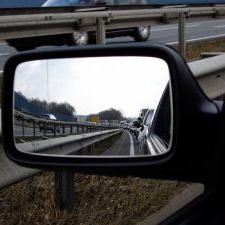
Nobody was injured in the incident, but rubberneckers clogged traffic for a mile and a half in each direction. Keep reading for more details.
The pilot and reporter were gathering traffic information for several TV and radio stations when a low oil pressure indicator came on in the plane. Shortly before 7 a.m., the pilot landed the plane on the northbound lanes of the turnpike in Cherry Hill, NJ.
Traffic was reportedly moving pretty well before the plane landed. It was eventually loaded onto the back of a truck and taken in for maintenance, but not before commuters had the chance to stop and gawk at it.
The Federal Aviation Administration announced that they will launch their own investigation.
Get the latest on air safety accidents in our Plane Crashes section.
New Jersey motorists are already used to dealing with aggressive and quick-tempered drivers on their morning commutes, but have never had to worry about getting cut off by an airplane—until now.
By Dan Bence for PeterGreenberg.com.
Related Links: New Jersey Real-Time News
PeterGreenberg.com Links: